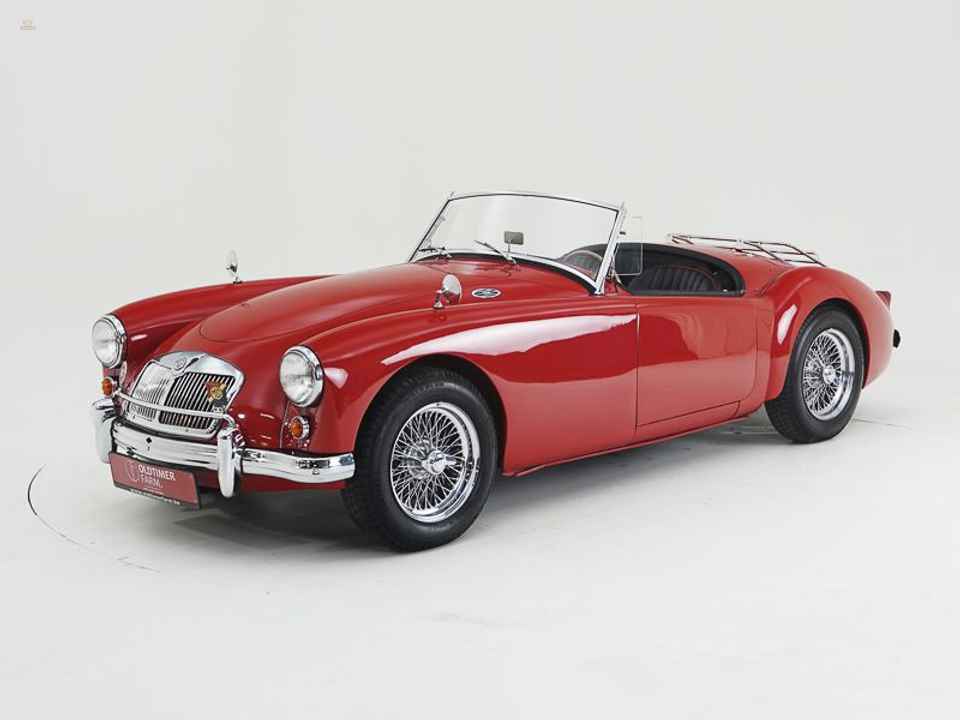
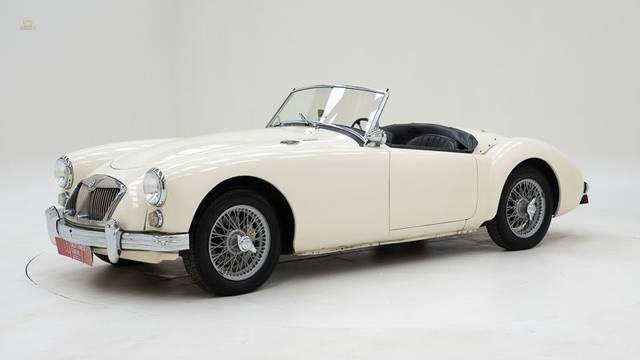
| Karosserieform | Cabrio |
| Kilometerstand | 10.118 km |
| Getriebe | Schalter |
| Hubraum | 1489 cm³ |
| Erstzulassung | 1956 |
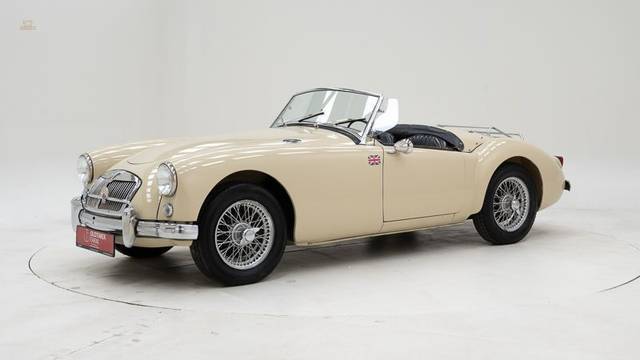
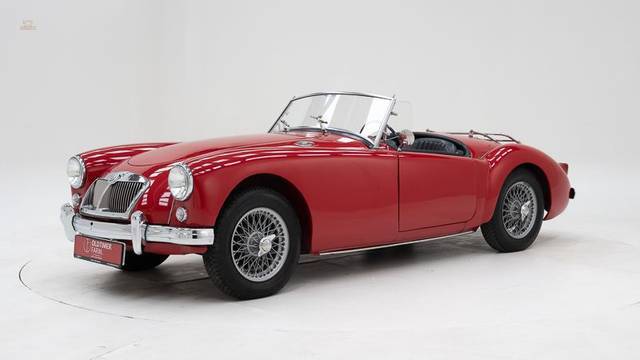
The MG A was built from 1955 to 1962 and it was the first car to come from the hands of MG designers that brought along some early, albeit recognizable and functional, aerodynamics, and a fresh breeze. After the global return to peace following World War II, MG had only repeated their conventional, producing the MG Y and the MG T that had the pleasure of being succeeded by the MG A, which ultimately captured hearts for years. Even today, people still highly covet it as it has changed British automotive history.
MG had not suffered much financially during the four harsh war years as they had turned to focus on the construction aircraft components, the maintenance of war tanks, and the distribution of weapons. Therefore, there was no financial wounds cut, and they had the means to venture boldly into a completely new ground-breaking concept. They designed the MG A in 1951, and because the new design diverged so much from MG's usual approach, they decided to ‘start over all again’. Quite literally, in its purest form, as 'A' is not just coincidentally the first letter of the Latin alphabet.
The MG A was finally unveiled at the Frankfurt Motor Show in 1955. It was atypical for MG with a sporty and luxurious appearance and performance. Under the hood, there was a straight-four engine, 1489 cc in size, corresponding to the model code '1500', producing 72 horsepower. After four years in production, in 1959, the engine displacement was increased to 1588 cc, creating the MG A 1600. The following year, it was further upgraded to 1622 cc, which also increased its power. Between 1958 and 1960, a high-performance sports model was built with a dual overhead camshaft and a high compression ratio, showcasing its best performance on the track, and achieving victory.
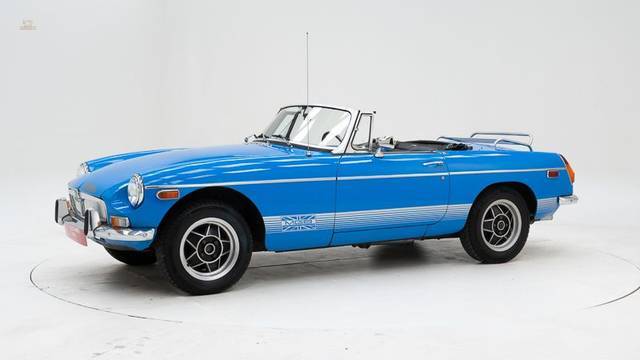
In 1962, the MG A was succeeded by the equally iconic MG B. Overall, just over one hundred thousand MG A's were sold.
MG A 1500
The A 1500 is the first of several variants of the MG A. This base model, ‘iconic pioneer’ fits better, was equipped with the four-cylinder inline engine from the MG Magnette, a sedan that was manufactured partially parallel to the MG A. To give the MG A some sportiness, the engine boasted two carburettors from the British brand SU.
Initially, the MG A blueprints were discarded because the BMC's CEO had just entered a partnership with Austin to establish the famous Austin-Healey brand. However, due to decreasing sales of MG's spartan models, which had no longer commercial appeal, it was decided to give the MG A a chance. What the history would have looked like without the MG A remains a matter of speculation. However, sure is that it has marked a true turning point in the British automotive industry.
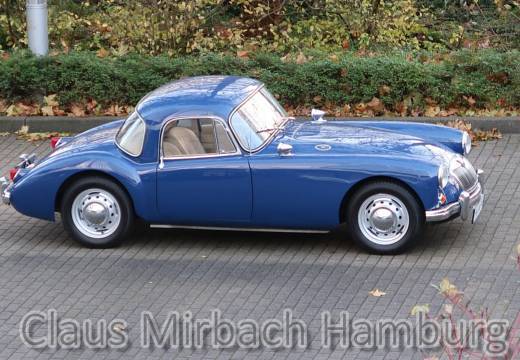
The MG A 1500 was available as a coupe and as an open roadster. Both versions are sought-after classic cars, revered for their pioneering role in the design of the world-famous British roadsters.
Technical information:
Body work
Mechanics
29.900,00 €
29.995,00 €
 Neu
Neu
79.950,00 €
 Neu
Neu
34.950,00 €
 Neu
Neu
38.950,00 €
 Neu
Neu
21.000,00 €
 Neu
Neu
51.950,00 €
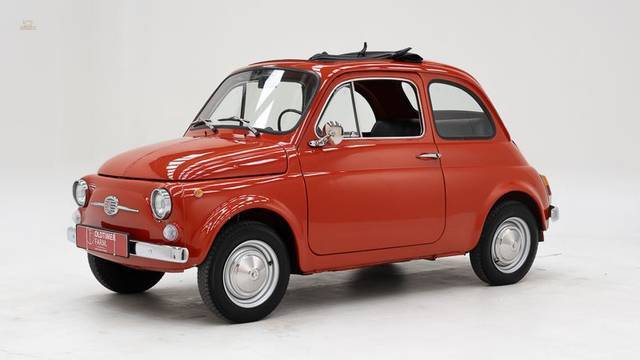 Neu
Neu
11.500,00 €
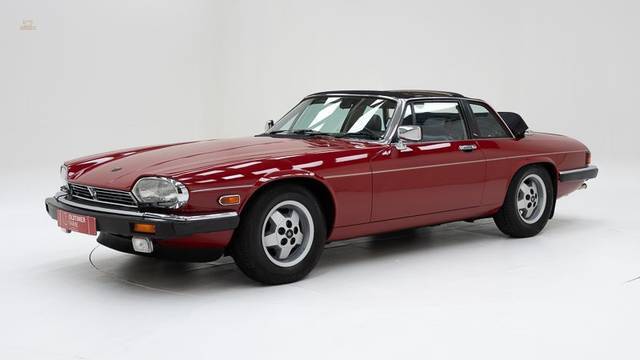 Neu
Neu
11.500,00 €
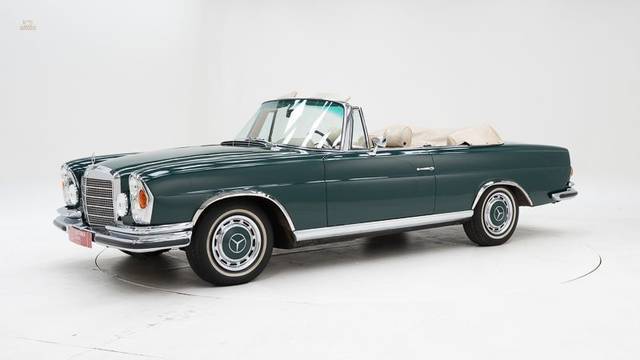 Neu
Neu
125.000,00 €
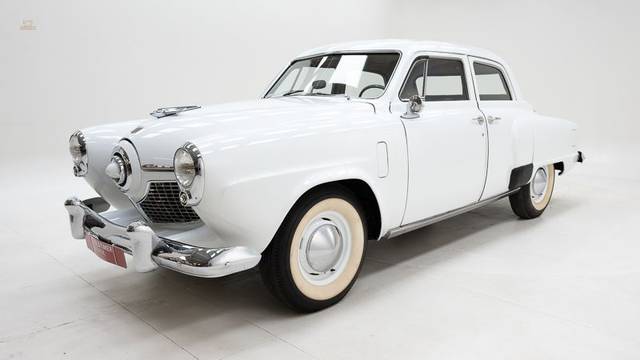 Neu
Neu
23.950,00 €
 Neu
Neu
19.950,00 €
 Neu
Neu
69.950,00 €
 Neu
Neu
11.500,00 €
 Neu
Neu
21.500,00 €
 Neu
Neu
23.950,00 €
 Neu
Neu
28.950,00 €
 Neu
Neu
47.950,00 €
 Neu
Neu
12.500,00 €
 Neu
Neu
29.950,00 €
 Neu
Neu
95.000,00 €
 Neu
Neu
99.950,00 €
 Neu
Neu
72.950,00 €
 Neu
Neu
11.500,00 €
 Neu
Neu
13.500,00 €
 Neu
Neu
12.250,00 €
 Neu
Neu
12.950,00 €
 Neu
Neu
5.950,00 €
 Neu
Neu
27.950,00 €
 Neu
Neu
60.000,00 €
 Neu
Neu
9.250,00 €
 Neu
Neu
2.950,00 €
 Neu
Neu
7.950,00 €
 Neu
Neu
19.350,00 €
8.500,00 €
12.950,00 €