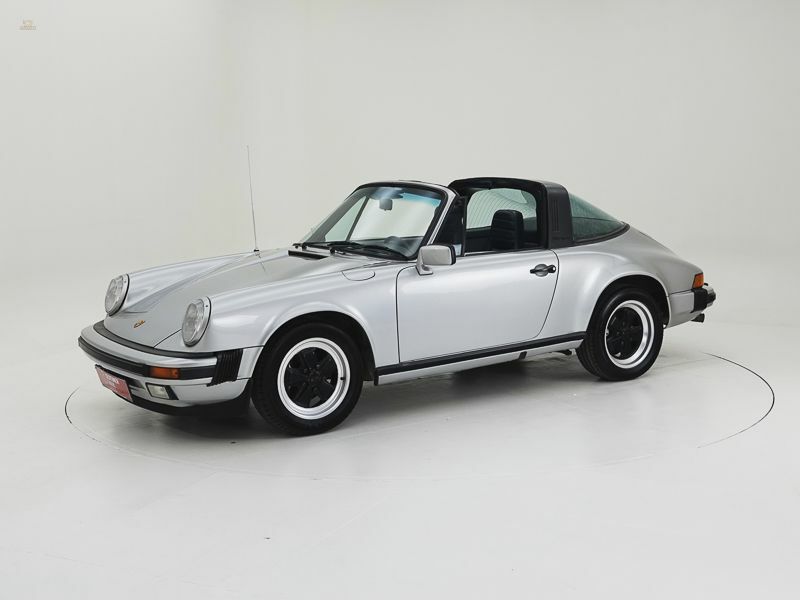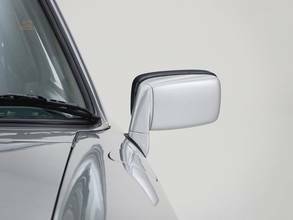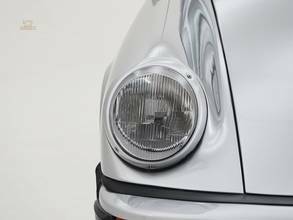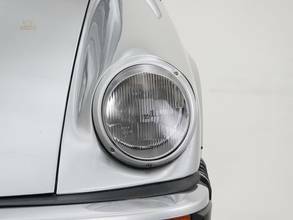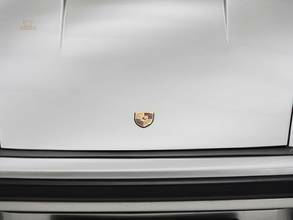
-
カテゴリ
-
ブランド
カテゴリ
| ボディタイプ | |
| 走行距離 | 128.532 km |
| ギアボックス | マニュアル |
| 排気量 | 2994 cm³ |
| 初回登録 | 1980 |
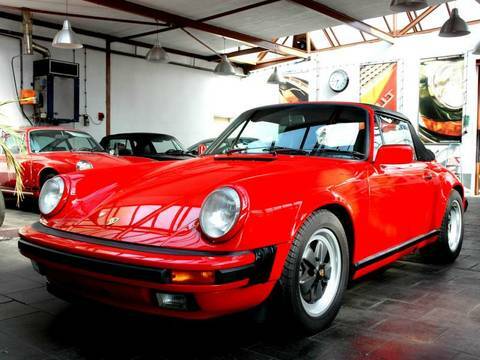
The Porsche 911 is the exception that proves the rule “to all good things comes an end”. This contemporary and luxurious, yet sporty, German sportscar was released in 1963. To this day, they are still being produced in large numbers, also a range of variants has been developed to mimic a tailor-made product range. Although the 911 has been refined over the decades, the basic design – which is recognisable and thus sublime – has generally remained unchanged. This pragmatic and contemporary approach only Porsche could ever succeed in.
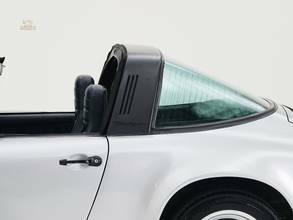
The 911 is the successor to the Porsche 356 and was designed by Ferdinand Porsche - the grandson of Porsche’s founder – and presented at the Frankfurt Auto Show in the autumn of 1963. In 1964, the first models were delivered to customers, and due to its great success, the 911 was soon expanded: a cheaper 912, a faster 911S and the rollbar equipped and extremely safe convertible Targa were released. This Targa was named after a Sicilian race that was year by year won by Porsche.
Initially, this car would be called the Porsche 901, but Peugeot became the headwind as their models were named by a three-digit number with a 0 in the middle. “Don’t worry”, said Porsche and they replaced the 0 with a 1. The Porsche 911 was born! After that, there was still Porsche cars built that were named with a three-digit number with a 0 in the middle, however those were exclusively intended for racing and circuit purposes, not for public roads.
Undoubtedly, the 911 has been modified over the years; as durable a design may be, times change, and cars do too. Porsche has always been prepared for changes and innovation. They gradually increased the engine displacement, the power and the size. The biggest mechanical change was the transition from air cooled engines to water cooled engine. Water cooled engines ensure an evenly cooled engine, which results in uniform combustion. This results in lower consumption and less emission.
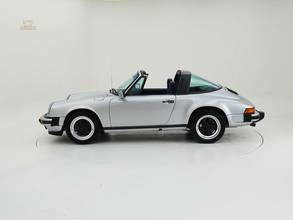
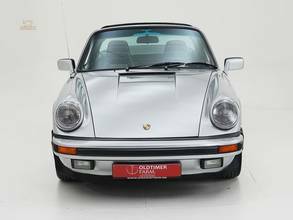
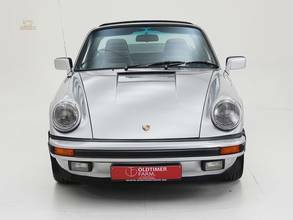
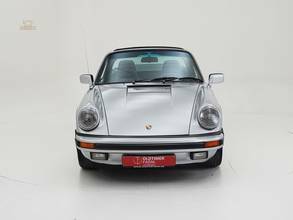
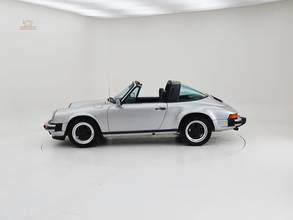
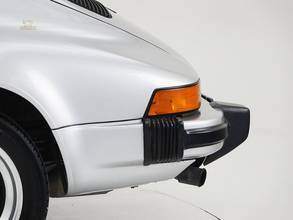
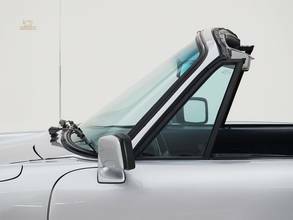
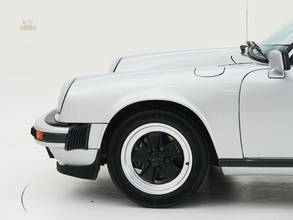
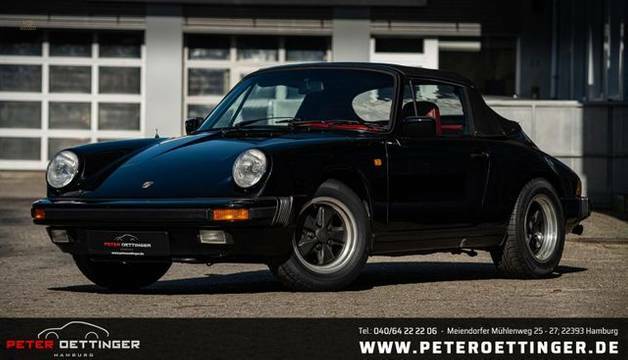
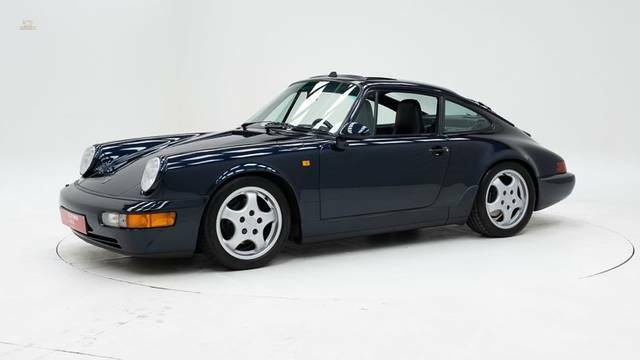
Porsche 911 SC
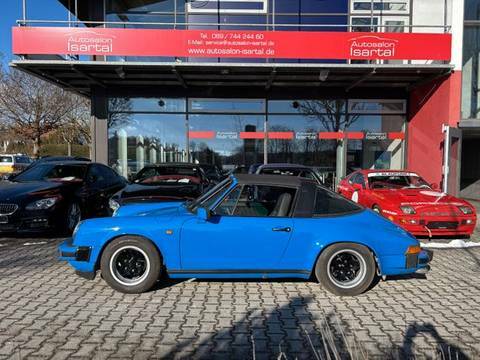
In 1978, the Porsche 911 SC was revealed as being the last 911 (maybe). This is reflected in its model name, as SC stands for ‘Super Carrera’, as they wanted to finish this series with a climax. At Porsche, there was some doubt about whether to continue the 911 series, as the intended successor, the 928, had already entered the ‘Porsche flagship fray’, if we may. However, the 928 never managed to match the 911's fame.
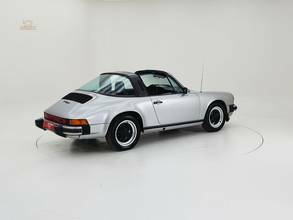
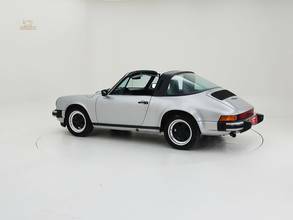
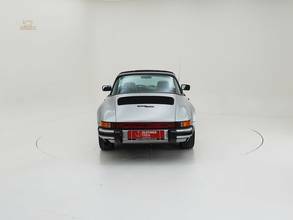
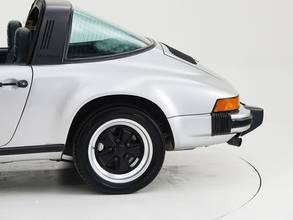
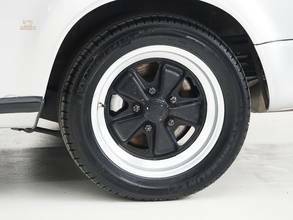
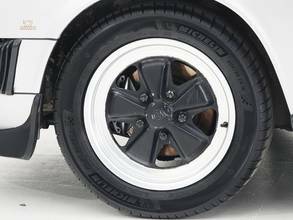
The 911 SC didn't bring many changes, which is perfectly fine. Initially, there was a targa or a coupe, as usual, in 1983, the first 911 cabriolet was brought to life. There was a wide package of options, which gave customers more freedom of choice. This was well received as the SC was considered an ‘entry-level’ and ‘alternative’ option to the Turbo. The iconic ‘whale tail’ and the - also iconic - Fuchs rims were the main features of this options package. Customers could also opt for a blue and red paint scheme - ‘Martini edition’ - that was available due to Porsche's circuit successes.
All doubt got left behind, Porsche decided not to stop 911 production, the car had become a real icon. Nowadays, the car remains very popular, thus it is a highly sought-after car. There’s even big community of 911 aficionados, ensuring its rocketing market demand.
Technical information:
Body work
Mechanics
74.950,00 €
74.941,00 €
75.000,00 €
74.777,00 €
75.800,00 €
75.889,00 €
75.900,00 €
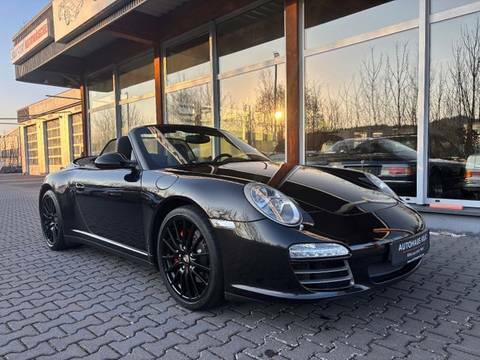
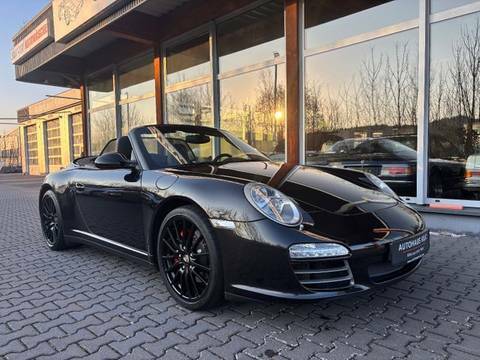
73.960,00 €
73.960,00 €
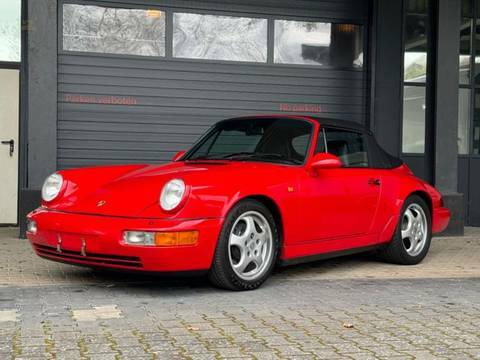
75.964,00 €
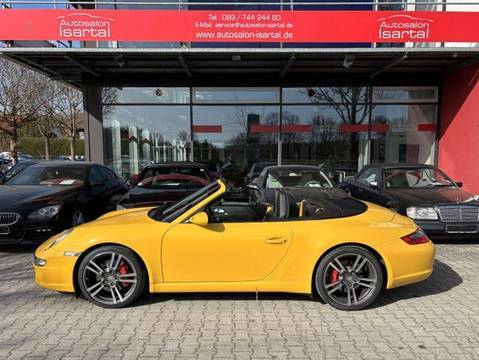
73.900,00 €
73.500,00 €
76.700,00 €
72.999,00 €
72.964,00 €
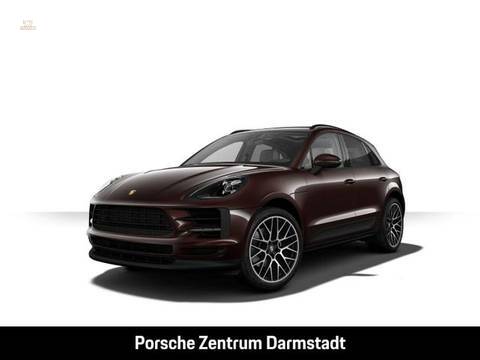
72.895,00 €
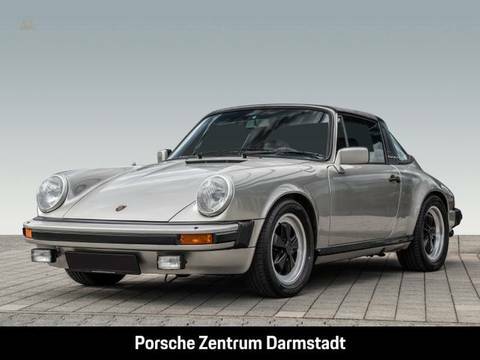
77.590,00 €
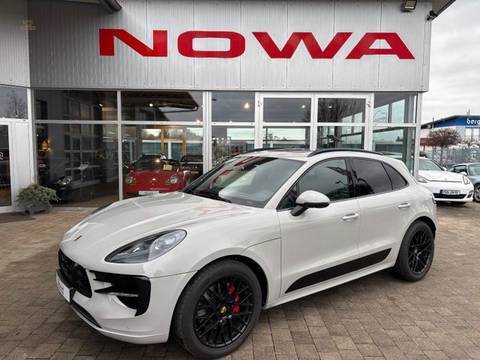
72.200,00 €
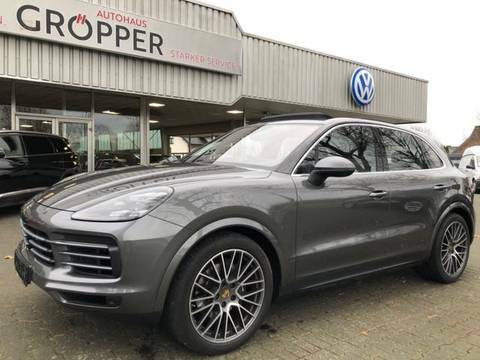
77.777,00 €
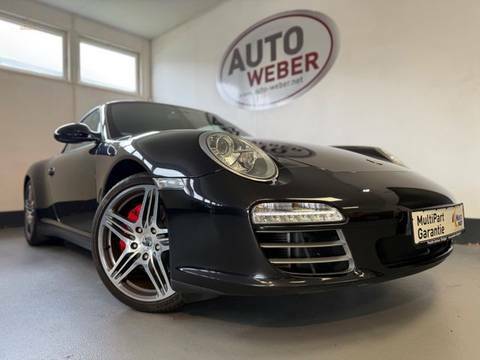
77.890,00 €
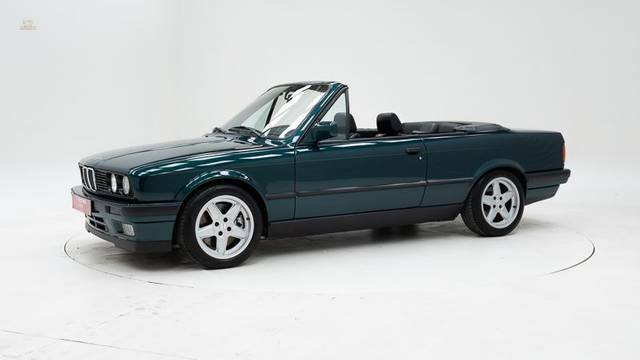
18.950,00 €
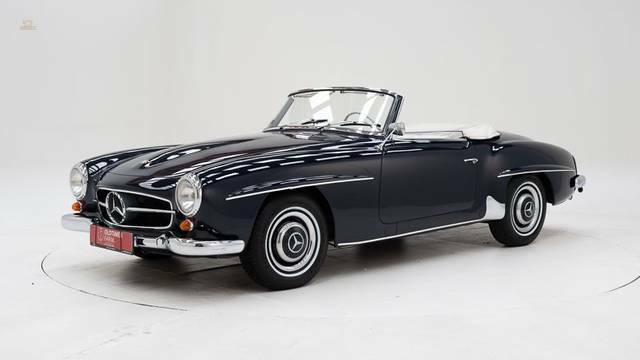
89.950,00 €
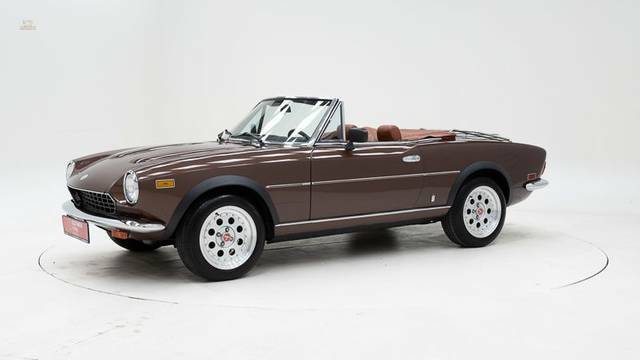
20.950,00 €
25.950,00 €
12.500,00 €
34.950,00 €
46.950,00 €
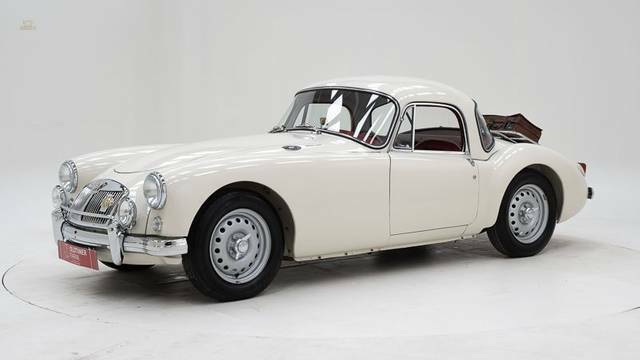
39.950,00 €
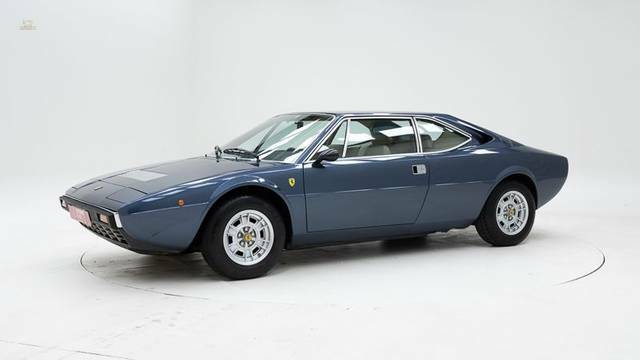
65.000,00 €
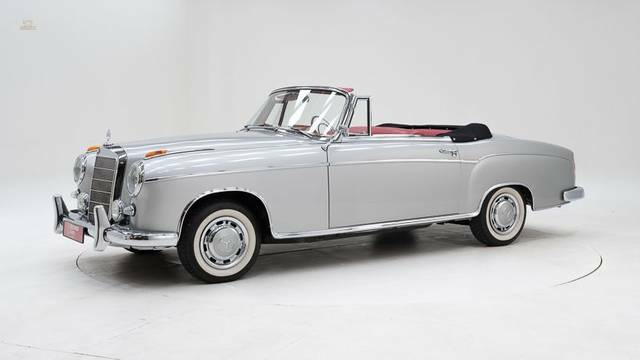
99.950,00 €
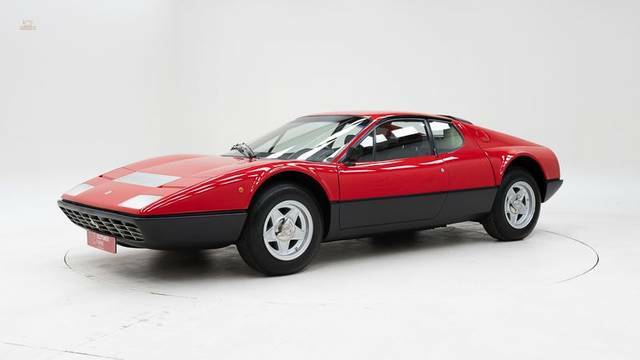
345.000,00 €
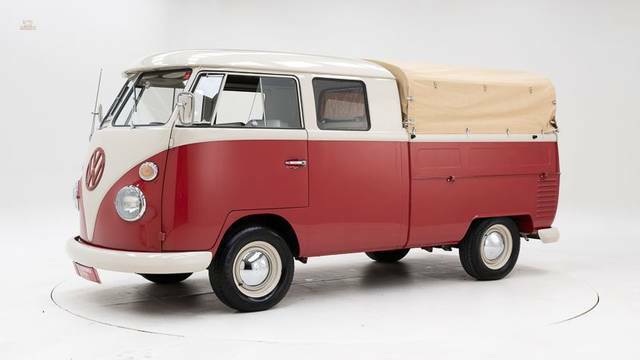
65.950,00 €
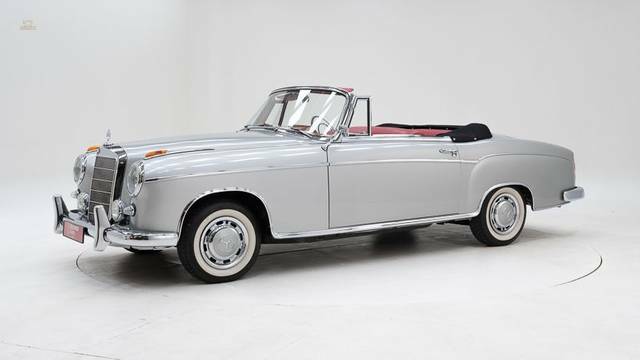
99.950,00 €
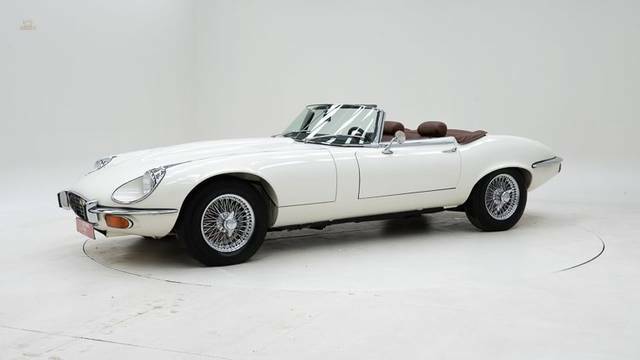
65.950,00 €
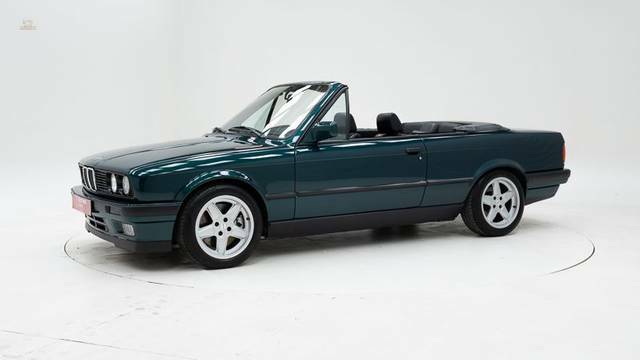
18.950,00 €
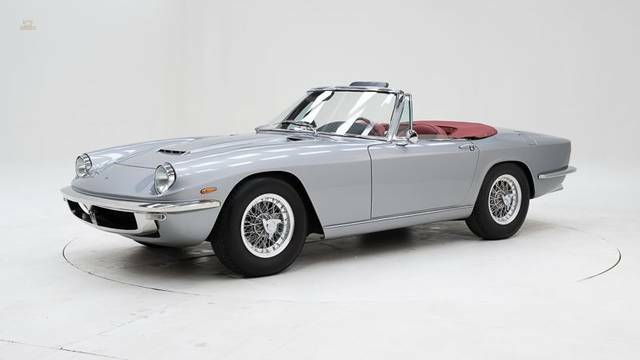
299.950,00 €
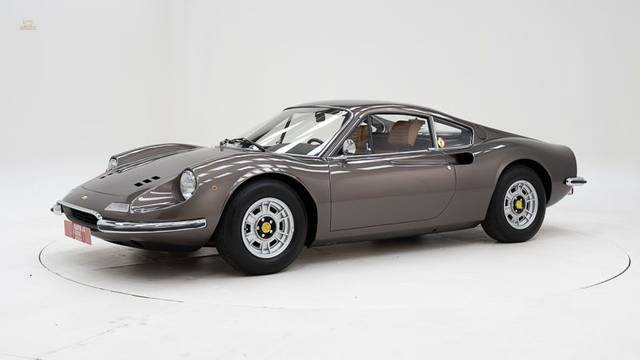
445.000,00 €
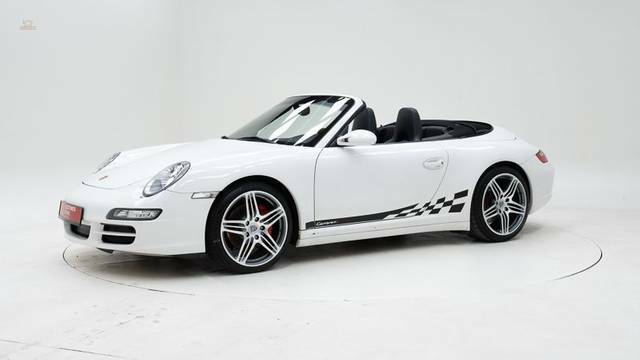
52.950,00 €
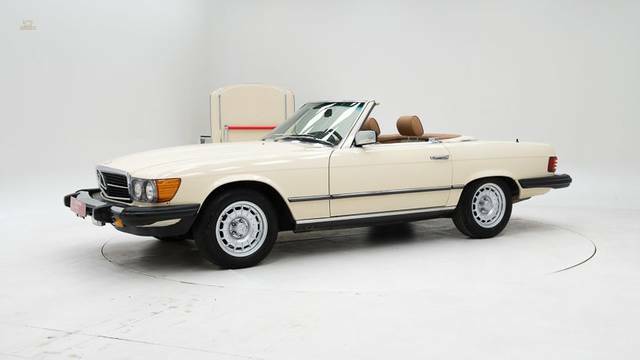
35.950,00 €
99.950,00 €
8.500,00 €
12.950,00 €