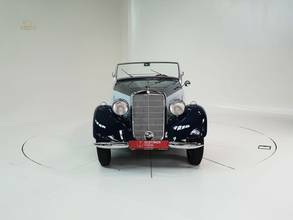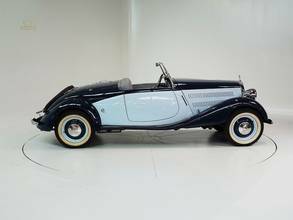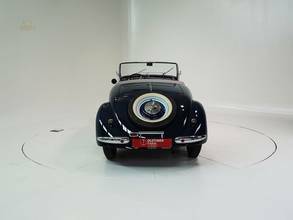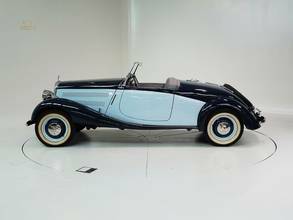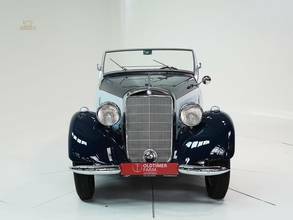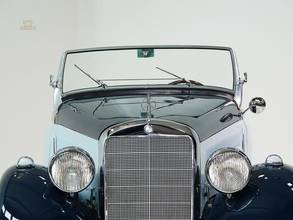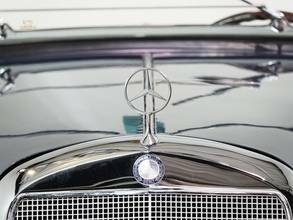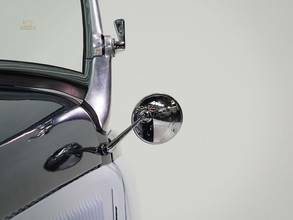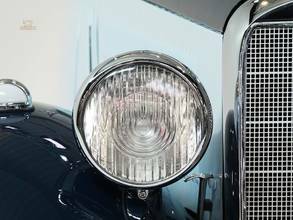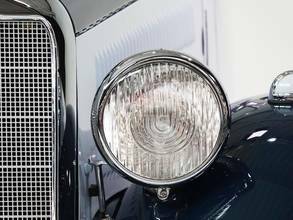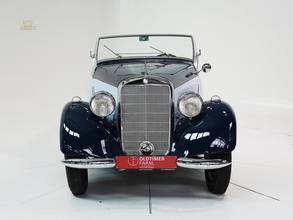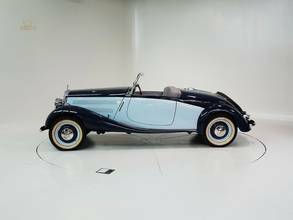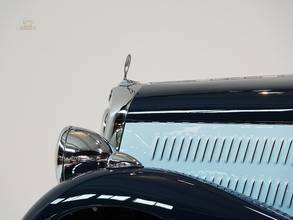
-
Categories
| Body type | Convertible |
| Mileage | 4.065 km |
| Gearbox | Manual |
| Engine capacity | 1697 cm³ |
| First registration | 1940 |
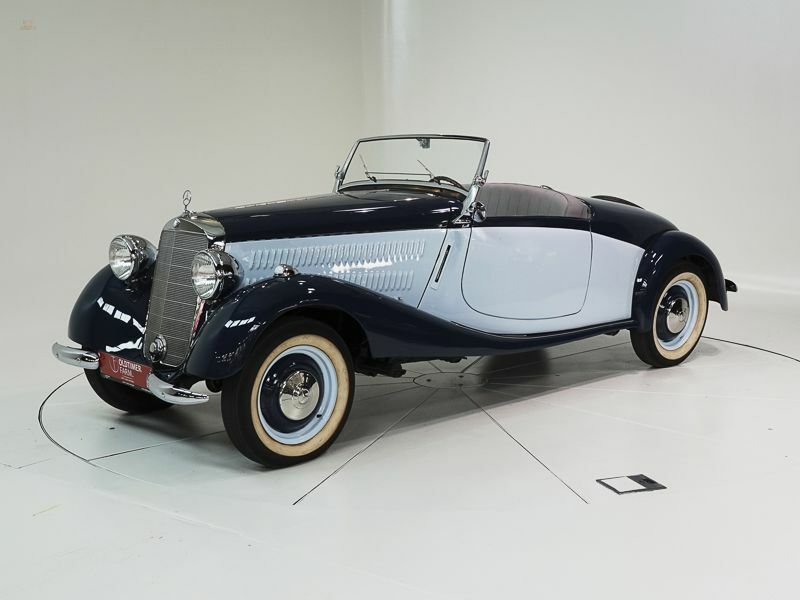
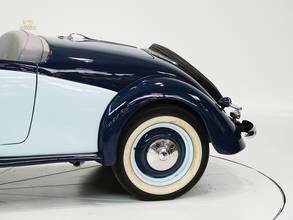
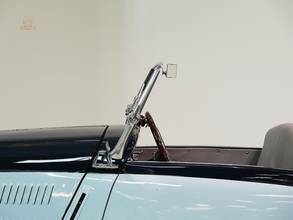
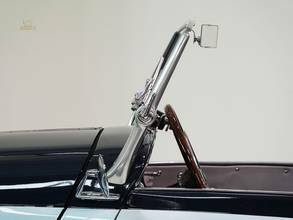
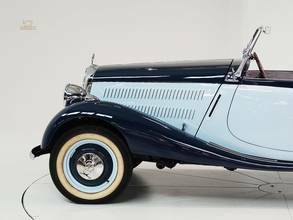
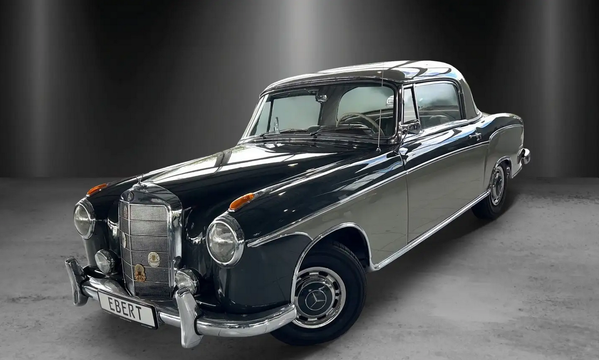
The Mercedes-Benz 170 series is a before and after war car of which three variants were made. It had to fill the gap in Mercedes' luxury segment for twenty-four years. The car was released in 1931 and was built in three versions, a saloon, a convertible, and a diesel version, which was groundbreaking for consumer cars. Production ended in 1955, and the successor was already in place, the W120 and W121.
In 1931, the first 170 model was introduced and named the W15. It was a luxurious passenger car that was equipped with hydraulic brakes, which was new at the time. In 1934, the second model in this 170 series was released. It had a rounder design, without being aerodynamic as this was not a thing yet. The typical early-1930s look was left behind.
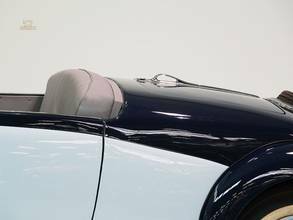
In 1937, the W136 was introduced at the Berlin Motor Show. The W136 is the 170 model that will be in production for the longest time and will deliver the largest share of 170 models in various variants. The difference between the previous version was the power, the gearbox that now had four gears, and the solid rear axle was replaced by independent suspension. The W136 was equipped with a 1.7L or 1.8L four-cylinder engine with side valves that delivered 38 hp. Over the years, eight variants were designed, including a diesel engine variant. Which is remarkable as passenger cars, at that time, were only driven by gasoline. A convertible was also brought to the market.
The production ended in 1955 and approx. 230,000 W136 models were made in total. It can be regarded as the predecessor of the E-Class as we know it today.
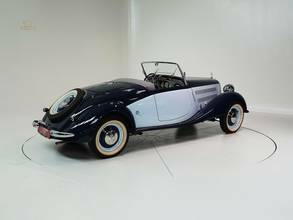
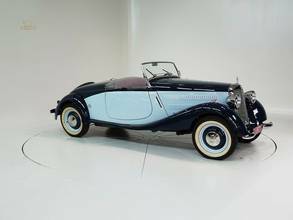
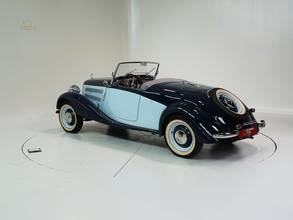
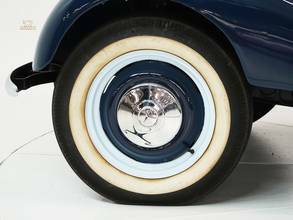
Mercedes-Benz W136 170 V
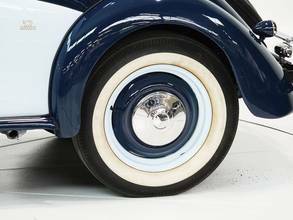
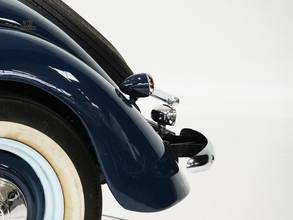
In the W136 series, the 170 V stands out as has held a title it still holds: ‘best-selling pre-war vehicle’. 75,000 of it sold before World War II and 83,000 of this beauty sold after the war. The 'V' designation signifies that the engine is mounted in the front, distinguishing it from the Mercedes-Benz 170 H, which has the same four-cylinder inline engine mounted in the rear.
The meticulous craftsmanship that went into creating this car, its enduring status as the pre-war sales champion, and the added prestige of bearing the Mercedes-Benz emblem make the 170 V highly coveted in the vintage car market.
Technical information:
Body work
Mechanics
Please do not hesitate to contact us via email to receive the detailed expertise report
85.925,00 €
85.900,00 €
85.900,00 €
86.500,00 €
85.000,00 €
84.995,00 €
84.990,00 €
84.900,00 €
84.440,00 €
87.770,00 €
87.890,00 €
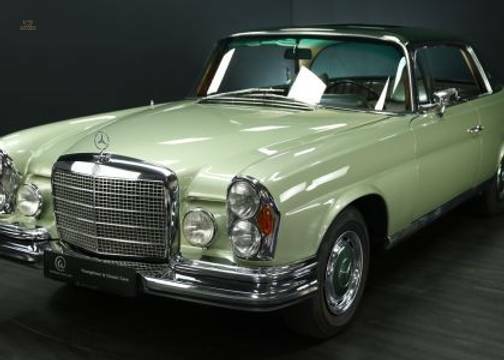
87.900,00 €
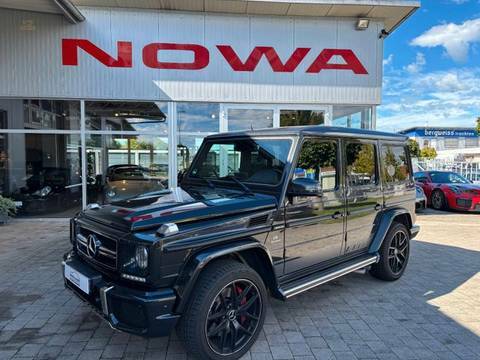
87.900,00 €
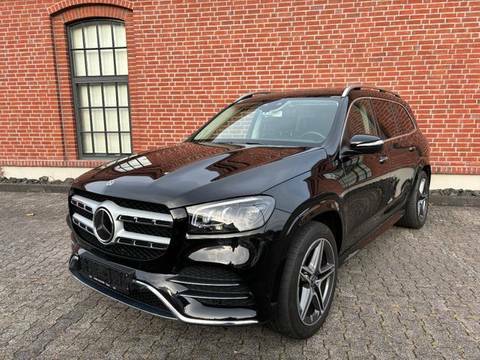
87.990,00 €
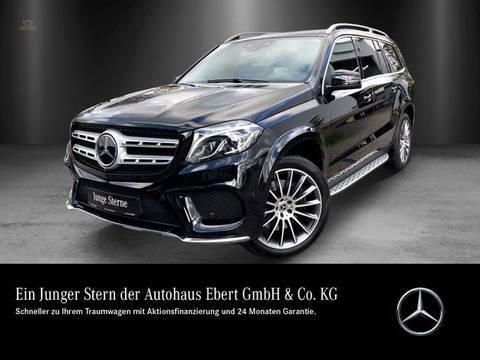
83.900,00 €
88.441,00 €
88.450,00 €
83.299,00 €
83.285,00 €
82.900,00 €
18.950,00 €
89.950,00 €
20.950,00 €
25.950,00 €
12.500,00 €
34.950,00 €
46.950,00 €
39.950,00 €
65.000,00 €
99.950,00 €
345.000,00 €
65.950,00 €
99.950,00 €
65.950,00 €
18.950,00 €
299.950,00 €
445.000,00 €
52.950,00 €
35.950,00 €
99.950,00 €
8.500,00 €
12.950,00 €