Estos servicios y tecnologías son imprescindibles para el funcionamiento de Herando y permiten, por ejemplo, funcionalidades relacionadas con la seguridad. Además, mediante estas cookies reconocemos si desea mantenerse conectado, para poner nuestros servicios a su disposición más rápidamente en una visita posterior.
Sin estas cookies, el sitio web no puede funcionar correctamente. Por lo tanto, no es posible desactivarlas.
| Nombre de la cookie | Proveedor / duración | Finalidad |
|---|---|---|
| herando | Herando / Sesión | Necesaria para mantener la sesión iniciada. Permite acceder a áreas protegidas sin volver a iniciar sesión. |
| herando-backend | Herando / Sesión | Garantiza la autenticación en el backend y el control de acceso a funciones protegidas. |
| frontend | Herando / 2 horas | Necesaria para mantener sesiones en el frontend y evitar volver a iniciar sesión. |
| frontend_cid | Herando / 2 horas | Asigna la sesión actual al ID de consentimiento en el frontend. |
| cc | Herando / 1 año | Guarda su configuración de consentimiento de cookies. |
| cid | Herando / 1 año | Guarda un ID único para documentar su consentimiento de cookies. |
| _GRECAPTCHA | Google reCAPTCHA / 6 meses | Protege el sitio contra accesos automatizados, spam, fraude y abuso. |
Base legal:
El tratamiento se basa en el art. 6(1)(f) del RGPD (interés legítimo en un funcionamiento seguro y correcto del sitio) y en § 165(3) TKG (AT) / § 25(2) TTDSG (DE).
Para mejorar continuamente nuestros servicios, recopilamos datos anonimizados con fines estadísticos y analíticos. Estos datos nos permiten, por ejemplo, medir el número de visitantes y la eficacia de determinadas páginas de nuestro sitio web y optimizar nuestros contenidos.
Proveedores:
Google Ireland Limited, Dublín, Irlanda
Meta Platforms Ireland Ltd., Dublín, Irlanda
Finalidad:
Análisis del comportamiento de los usuarios, medición del alcance, optimización de contenidos y evaluación del uso de páginas individuales.
Datos tratados:
Dirección IP (acortada/anonimizada), información del dispositivo y navegador, duración de la visita, páginas vistas, interacciones, URL de referencia.
Base legal:
Consentimiento conforme al art. 6(1)(a) del RGPD.
Transferencia a terceros países:
No puede descartarse la transferencia a terceros países (p. ej., EE. UU.). Proveedores certificados bajo el EU-US Data Privacy Framework.
Periodo de conservación:
Hasta 14 meses salvo indicación contraria.
| Nombre de la cookie | Proveedor / duración | Finalidad |
|---|---|---|
| _ga | Google Analytics / 2 años | Identificación de usuarios únicos |
| _gid | Google Analytics / 24 horas | Análisis del comportamiento de los usuarios |
| _gat_* | Google Analytics / 1 minuto | Limitación de la tasa de solicitudes |
| _gat_UA-* | Google Analytics / 1 minuto | Control de la transmisión de datos |
| OTZ | Google Analytics / 1 mes | Información agregada del tráfico web |
| AEC | Google / 6 meses | Protección contra spam, fraude y abusos |
| NID | Google / hasta 10 años | Integración de contenidos externos (p. ej. YouTube) |
| _fbp | Meta (Facebook) / 6 meses | Análisis de visualizaciones de página |
| datr | Meta (Facebook) / 9 meses | Seguridad y prevención del fraude |
| locale | Meta (Facebook) / 1 semana | Almacenamiento del idioma |
| oo | Meta (Facebook) / 13 meses | Almacenamiento del estado de exclusión |
| sb | Meta (Facebook) / 11 meses | Identificación del navegador |
| m_pixel_ratio | Meta (Facebook) / Sesión | Pruebas de rendimiento del sitio web |
Puede retirar su consentimiento en cualquier momento a través de la “configuración de cookies”.
69.950,00 €
Oldtimerfarm BV
Steenweg op Deinze 51 C
9880 Aalter - Belgium
Xavier GSM: +32 (0)472 401338
info@oldtimerfarm.be
BTW BE 0886.122.516
| Tipo de carrocería | |
| Kilometraje | 83.418 km |
| Caja de cambios | Manual |
| Cilindrada | 2341 cm³ |
| Primera matriculación | 1972 |
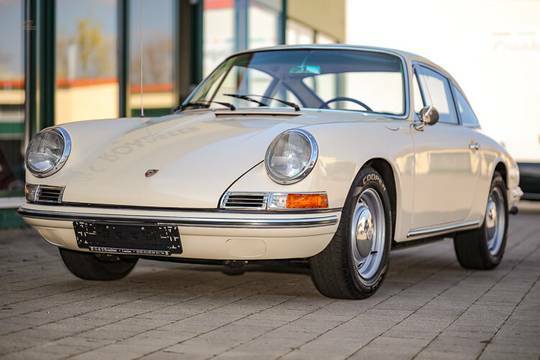
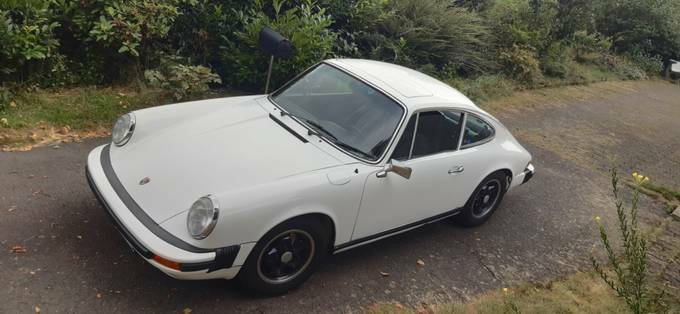
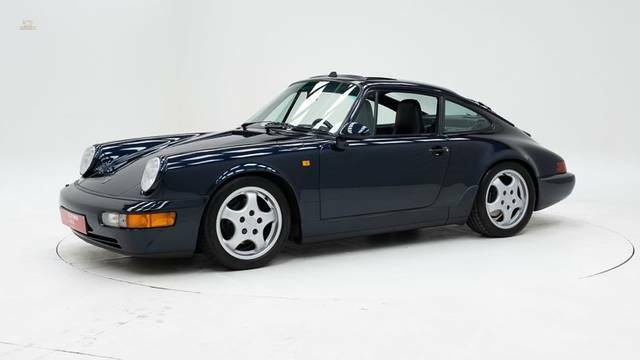
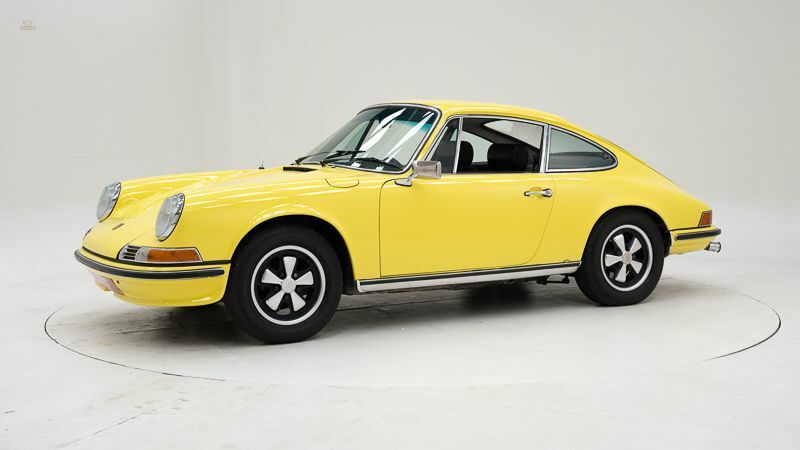
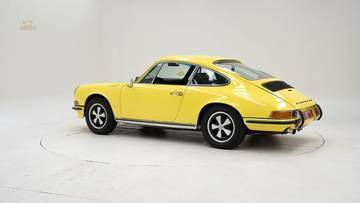
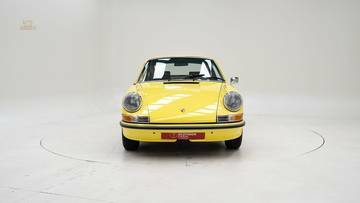
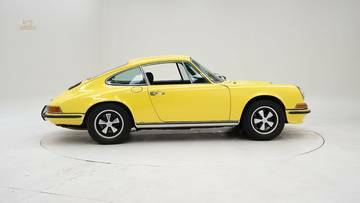
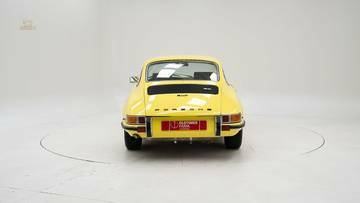
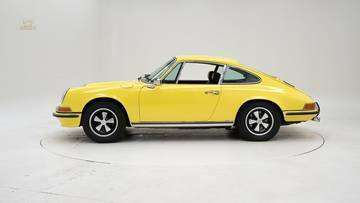
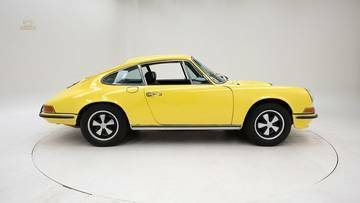
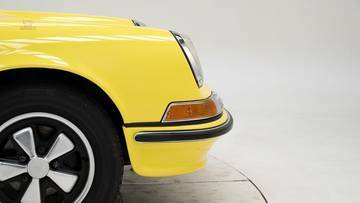
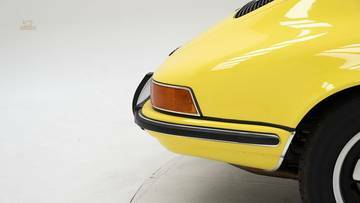
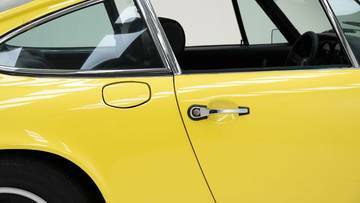
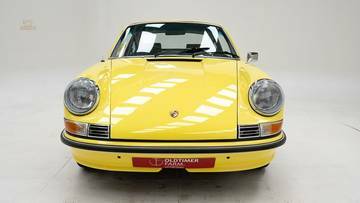
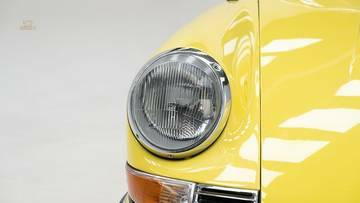
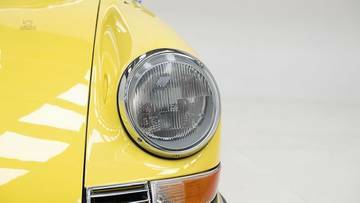
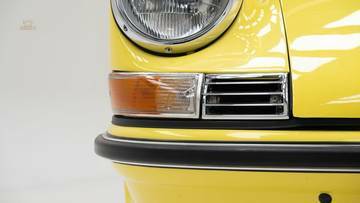
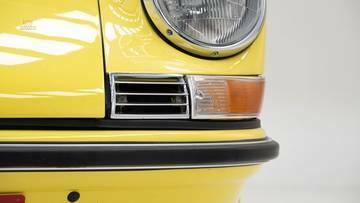
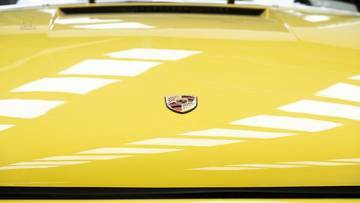
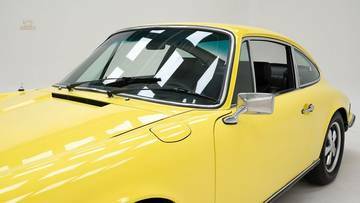
The 911 made its public debut at the Frankfurt Auto Show in September 1963, meeting all the specifications set by Dr. Porsche. The design resembled its predecessor but was more powerful, smoother, quieter, and offered more space for both passengers and luggage compared to the 356. The body of the 911 was functional and beautifully streamlined, with a timeless appearance. To this day, Porsche remains faithful to the original design.
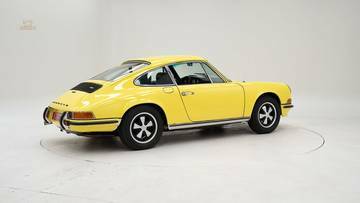
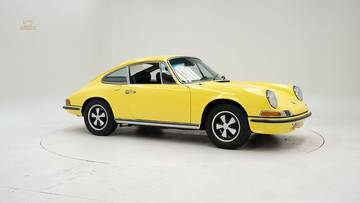
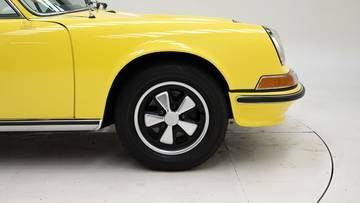
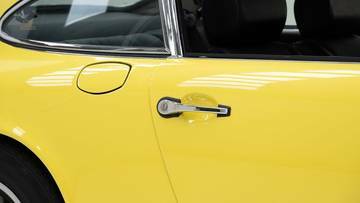
In the 1972 production year, the engine displacement was increased to 2,341 cc (2.4 liters), giving the 911 T version a power output of 140 hp. A unique feature of the 1972 model year was that all 911s had an external oil filler cap on the right side, while the fuel filler opening was at the front left. This design sometimes caused confusion at gas stations, leading to the removal of the external oil filler cap the following year, making it a distinctive feature of this model year. Due to this exclusive characteristic, this version of the 2.4 series is highly sought after by collectors.
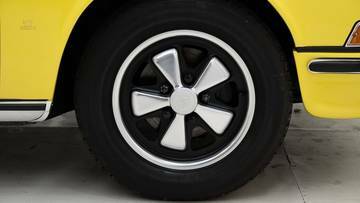
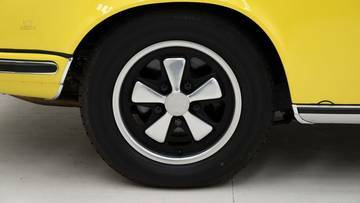
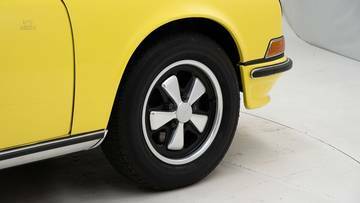
The introduction of the Porsche 911 S at the 1966 Paris Motor Show, two years after the launch of the 901 type (now 911 in October 1964 after a dispute with the Peugeot company) will put an end to the criticism and constitute a big date for Porsche. Indeed, with this new model, the small manufacturer of Stuttgart can finally hope to become the equal of Ferrari by proposing a sports car able to compete with the 246 Dino and other sports of less diffusion. The "S" is the first high-performance version of the 911 and its great sports capabilities, developed in competition, will eventually generate more and more powerful versions. Those who are not Porsche specialists will find it difficult to see the aesthetic differences between the 911 S and the basic 911 2.0. Like the latter, it is available in coupe or targa roof appeared a few months ago. It is also with the 911 S that appear the famous Fuchs aluminum and five-spoke rims, then become inseparable from the 911 until the end of the 80s.